
Currently Empty: $0.00

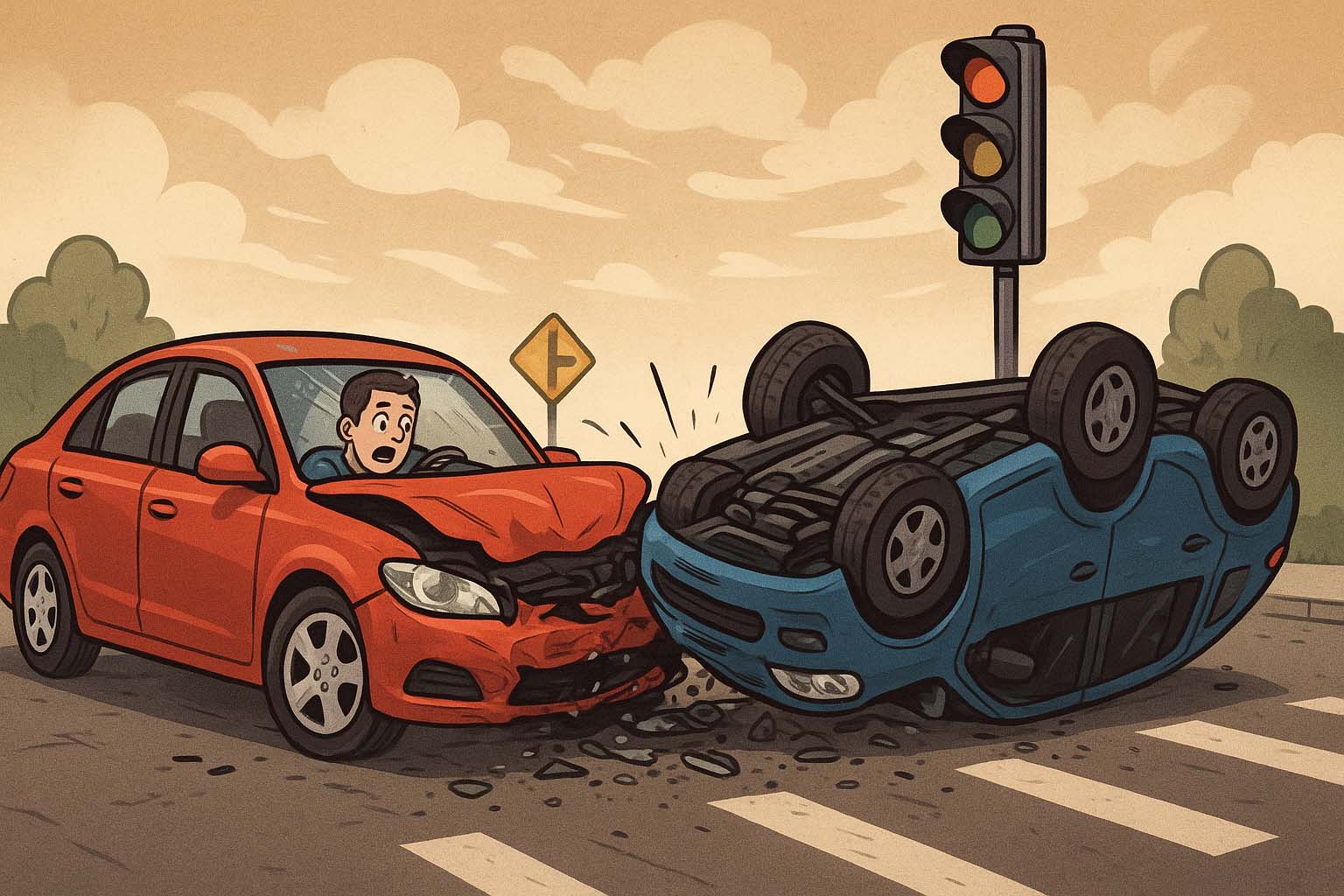
Why Evidence Disappears Fast After a Car Accident—and What Lawyers Do About It
Car accidents often happen in seconds, but the evidence needed to prove what went wrong can vanish just as quickly.
From physical debris on the road to digital data stored on devices, crucial proof begins deteriorating almost immediately after a crash.
This reality often surprises people who are searching for a Car Accident Attorney in Albany, especially when they realize how much information can be lost before a claim even begins.
Understanding why evidence disappears so fast—and how legal professionals work to preserve it—can make a significant difference in the outcome of a car accident case.
Physical Scene Evidence Changes Rapidly
One of the most fragile sources of accident evidence is the crash scene itself. Skid marks fade, vehicle debris is cleared, damaged guardrails are repaired, and traffic returns to normal within hours or days. Weather conditions such as rain, snow, or extreme heat can further erase visual clues that help explain how an accident occurred.
Even seemingly minor details like road surface conditions, traffic signal timing, or temporary construction signs can disappear before they are properly documented. Once this physical evidence is gone, recreating the scene becomes far more difficult and often less precise.
Prompt action is essential to capture photographs, measurements, and observations that may never be available again.
Vehicle Damage Gets Repaired Or Destroyed
Damaged vehicles are one of the most valuable sources of evidence after a car accident. Dent patterns, airbag deployment data, and crash impact points can reveal critical information about speed, direction, and fault.
However, vehicles are often repaired quickly or declared total losses and sold for salvage. Once repairs begin or the vehicle is dismantled, this physical evidence is permanently altered or destroyed.
Without early intervention, opportunities to inspect vehicles and document damage patterns may be lost, limiting the ability to establish how the collision occurred.
Surveillance Footage Has Short Retention Windows
Many accidents are captured by surveillance cameras from nearby businesses, traffic systems, or residential properties. This footage can provide objective proof of how a crash happened, who had the right of way, and whether traffic laws were followed.
The challenge is that most surveillance systems automatically overwrite recordings within days or weeks. If footage is not requested quickly, it may be erased before anyone realizes it existed.
Identifying camera locations and sending timely preservation requests is a key step in preventing the loss of this valuable evidence.
Witness Memories Fade Quickly
Eyewitness testimony can be powerful, but human memory is not permanent. As time passes, details become blurred, and recollections may change due to stress, outside influence, or simple forgetfulness.
Witnesses may move, change contact information, or become unwilling to participate as months go by. Early contact helps ensure statements are recorded while memories are still fresh and accurate.
The longer an investigation is delayed, the harder it becomes to locate witnesses and rely on their accounts.
Digital And Electronic Data Is Limited
Modern vehicles and mobile devices generate a surprising amount of data. Event data recorders, navigation systems, and mobile phone activity logs can all provide insight into driver behavior before a crash.
This information, however, is often stored for limited periods or requires specific legal steps to access. Without timely action, data may be overwritten, deleted, or rendered inaccessible.
Preserving electronic evidence early can help establish factors such as speed, braking, and potential distractions at the time of the accident.
Insurance Investigations Begin Immediately
While injured individuals are often focused on medical treatment and recovery, insurance companies typically begin their investigations right away. Adjusters may gather statements, inspect vehicles, and assess damage with the goal of limiting financial exposure.
If injured parties delay seeking legal guidance, important evidence may already be shaped or interpreted through the lens of the insurer’s interests. This imbalance can affect how fault is assigned and how claims are evaluated.
Early legal involvement helps ensure evidence is preserved and reviewed fairly before conclusions are drawn.
How Legal Teams Act Quickly
Legal professionals play a critical role in preventing evidence from disappearing. One of their first steps is sending preservation letters to involved parties, businesses, and insurance carriers, formally requesting that evidence be retained.
They may also arrange independent scene investigations, vehicle inspections, and witness interviews. When necessary, legal teams work with accident reconstruction professionals to analyze available data and rebuild the sequence of events.
These actions help protect the integrity of the case and prevent important details from being lost due to delay.
Documentation Creates A Stronger Claim
Comprehensive documentation is essential for building a successful car accident claim. Medical records, repair estimates, employment records, and photographic evidence all contribute to showing how the accident impacted a person’s life.
When evidence is gathered promptly and thoroughly, it creates a clearer picture of responsibility and damages. Delayed documentation, by contrast, can raise questions and weaken the overall claim.
Careful evidence management supports more accurate evaluations during negotiations or litigation.
Why Timing Influences Case Outcomes
The speed at which evidence disappears means timing often plays a direct role in case outcomes. Claims supported by preserved physical, digital, and testimonial evidence tend to be stronger and more consistent.
Delays can result in missing information, conflicting accounts, and reduced credibility. Acting early helps ensure that claims are supported by objective proof rather than assumptions or incomplete narratives.
Understanding this time-sensitive nature empowers individuals to take the right steps after an accident.
Legal Support Makes Preservation Possible
Preserving evidence after a car accident requires knowledge, resources, and swift action. Many individuals are not equipped to handle this process alone while dealing with injuries and recovery.
Law firms like Finn Law Offices assist clients by taking immediate steps to secure evidence, communicate with involved parties, and build well-documented claims that reflect the full impact of an accident.