
Currently Empty: $0.00

How to impress a guardian ad litem
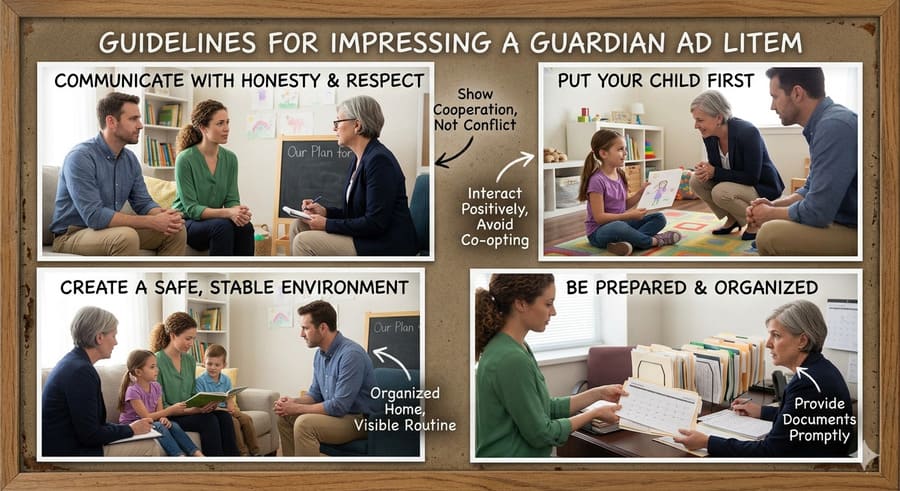
When a Guardian ad Litem (GAL) enters the picture in a custody case, it can feel like a big deal. This person is appointed by the court to look out for your child’s best interests, and their opinion really matters to the judge. So, how do you make sure they see you in the best possible light? It’s not about grand gestures, but more about consistent, honest behavior focused squarely on your kid. This guide will walk you through how to impress a guardian ad litem by being prepared, truthful, and always putting your child first.
Key Takeaways
- Understand that the GAL is a neutral party focused solely on your child’s well-being, not on taking sides. Their job is to gather information and make recommendations to the court.
- Present yourself honestly and openly. Avoid lying, exaggerating, or making false claims about the other parent, as this will damage your credibility.
- Always keep your child’s needs at the forefront. Refrain from speaking negatively about the other parent to your child or involving them in adult conflicts.
- Prepare for GAL interviews and home visits by ensuring your home is clean and orderly, and by gathering any requested documents. Treat these interactions like a professional meeting.
- Cooperate fully with the GAL’s investigation. Respond to requests for information promptly and address any concerns they raise about your child’s health, education, or living situation.
Understanding the Guardian Ad Litem’s Role
What Is a Guardian Ad Litem?
A Guardian Ad Litem, often called a GAL, is someone the court appoints to look out for a child’s best interests when parents are in a dispute. Think of them as the child’s voice in a legal situation, especially during divorce or custody battles. They aren’t there to take sides between parents; their main job is to figure out what’s truly best for the kiddo involved. This person usually has a background in law and special training to handle these sensitive cases. They’re appointed because, in heated disagreements, kids can sometimes get overlooked or caught in the middle, and the court needs an objective viewpoint. What Do a Guardian Ad Litem Look for in a Home Visit
The GAL’s Influence on Court Decisions
The GAL’s opinion carries a lot of weight with the judge. They act like the court’s eyes and ears, doing their own digging to understand the child’s situation. This investigation helps the judge make more informed decisions about custody and visitation. It’s not just about what the parents say; the GAL gathers information from various sources to form a recommendation.
A Neutral Advocate for Children’s Best Interests
It’s really important to remember that the GAL is not on your team or the other parent’s team. Their sole focus is the child. They’ll look at everything – the child’s home life, school, relationships, and overall well-being – to make a recommendation that they believe serves the child best. They aim to be fair and unbiased throughout the entire process.
Presenting Your Best Self to the GAL
When you meet with a Guardian ad Litem (GAL), think of it as a chance to show them who you really are as a parent. It’s not about being perfect, because nobody is. It’s more about showing that you’re a steady, caring person who puts their kid’s needs first. Your goal is to build trust and show you’re a reliable figure in your child’s life.
Making a Strong First Impression
Your initial interactions set the tone. When you first meet the GAL, whether it’s in their office or during a home visit, try to be punctual and composed. It might feel like a big deal, and it is, but remember they are there to get a picture of your family situation. They aren’t looking for a flawless performance, but rather for honesty and a genuine commitment to your child’s welfare. If you’ve had past issues, like trouble managing schedules or dealing with stress, be ready to talk about how you’ve worked on those things. It shows you’re growing and learning.
Treating the GAL with Courtesy and Respect
How you talk about the other parent matters a lot. Even if things are tough, try to keep your conversations with the GAL calm and respectful. Instead of making broad, negative statements, focus on specific behaviors that affect your child. For example, instead of saying “They never help with homework,” you could say, “I’ve noticed homework completion has been a challenge lately, and I’m working on establishing a consistent routine for it.” This approach is more factual and less likely to make you seem overly emotional or focused on conflict. Remember, the GAL is observing how you handle disagreements.
Dressing Appropriately for Meetings
What you wear might seem minor, but it contributes to the overall impression you make. Aim for neat, clean, and modest clothing. Think of it as dressing for an important appointment where you want to be taken seriously. It doesn’t mean you need a new suit, but avoid anything too casual, revealing, or with potentially offensive graphics. Showing that you’ve put thought into your appearance can signal that you’re taking the GAL’s role and the process seriously. It’s a simple way to show respect for the situation and the professional involved. You can find more information on how parents can improve a GAL’s initial impression by remaining cooperative.
The GAL’s job is to see the child’s world from different angles. They want to understand how your child fits into their home, school, and community. Don’t assume they’ll notice everything on their own. If something is important for them to know about your child’s life, it’s okay to point it out gently.
Honesty and Transparency in Your Communications
When you’re dealing with a Guardian ad Litem (GAL), being upfront and truthful is super important. Think of it like this: the GAL is there to get a clear picture, and if you start hiding things or twisting the truth, that picture gets blurry real fast. Your goal is to build trust, and that starts with being completely honest. It might feel tempting to make yourself look better by downplaying your own issues or exaggerating the other parent’s problems, but that rarely works out well in the long run. The GAL is trained to spot inconsistencies, so sticking to the facts is always the best policy.
The Paramount Importance of Truthfulness
Lying or making things up is a big no-no. It doesn’t just hurt your credibility; it can seriously mess up your case. Always give factual information. If you’ve made mistakes in the past, own up to them and explain what you learned. It shows maturity and a willingness to grow. For example, if you’ve had issues with managing your time, don’t pretend it never happened. Instead, explain how you’ve put systems in place, like using a planner or setting reminders, to make sure you’re on track now.
Avoiding False Accusations
It’s easy to get caught up in the heat of the moment and want to point fingers. But making false accusations against the other parent can really backfire. Instead of saying, “They never show up on time,” try presenting facts like, “In the last month, the child was picked up late on three occasions, at 5:15 PM, 5:30 PM, and 5:45 PM.” Let the GAL connect the dots based on the evidence you provide. Focus on observable behaviors and their impact on your child, rather than making broad, unsupported claims.
Providing Factual and Straightforward Information
When the GAL asks questions, answer them directly and clearly. If you have concerns about your child’s well-being, health, or education, present the information calmly and with supporting details. For instance, if your child is struggling in school, don’t just say, “They’re not doing well.” Instead, share specific report card grades, mention any teacher communications you’ve had, and explain the steps you’re taking to help, like setting up a homework routine or seeking tutoring. It’s also wise to have documents ready, such as:
- Recent report cards
- Medical records or appointment summaries
- Relevant court orders or previous GAL reports
- Communication logs with the other parent (emails, texts)
Remember, the GAL’s job is to see the whole picture, not just the parts you want them to see. Being open and honest, even about difficult topics, makes their job easier and shows you’re serious about your child’s best interests. It’s about presenting a realistic, responsible version of yourself, not a perfect one.
Maintaining a Child-Centered Approach
When a Guardian ad Litem (GAL) is involved, the absolute top priority is showing that your child’s needs and happiness come before anything else. It sounds simple, but in the middle of a tough situation, it’s easy to get caught up in your own feelings or the legal back-and-forth. The GAL is there to see how you’re really handling things with your kiddo, not just what you say you’re doing.
Focusing on Your Child’s Well-being
This means really thinking about what your child needs, day in and day out. It’s about their schoolwork, their friends, their hobbies, and how they’re feeling emotionally. When you talk to the GAL, try to bring up examples of how you support these areas. Instead of just saying, “I care about my child,” you could say, “We make sure to have family game night every Friday to connect, and I help him practice his soccer drills three times a week.” Showing consistent effort in these areas speaks volumes. It’s about demonstrating that you’re actively involved in their life and promoting their growth.
Avoiding Negative Talk About the Other Parent
It’s really tempting to vent or point out everything the other parent is doing wrong. But honestly, that rarely helps your case and can actually make you look bad. The GAL wants to see that you can put your child’s needs above any personal conflict. If you have genuine concerns about the other parent’s actions that affect the child, state them factually and calmly. Focus on the behavior and its impact on the child, rather than making personal attacks. For example, instead of “They never show up on time,” try “When pickups are consistently late, it causes my child a lot of anxiety about missing activities.” Remember, the GAL is looking for stability and cooperation, not a war.
Not Putting the Child in the Middle
Your child is not a messenger or a spy. While it’s okay to tell them who the GAL is and that they’re there to help, don’t pressure them to report back to you or to say specific things. This can create a lot of stress for them. Let them know it’s important to be honest with the GAL, just like they would be with any trusted adult. You want them to feel comfortable talking openly. If you need to communicate something to the GAL, it’s best to do it directly yourself or through your attorney. This keeps the child from feeling caught in the middle of adult issues. It’s important to meet children at their current developmental level and practice active listening when communicating with them [1874].
Here’s a quick rundown of what to focus on:
- Daily Routines: Meals, homework time, bedtime rituals, and extracurricular activities.
- Child’s Preferences: What they like to do, their favorite foods, their friends.
- Emotional Support: How you help them cope with stress or big changes.
- Health and Safety: Ensuring they have regular check-ups and a secure environment.
The GAL’s job is to get a clear picture of your child’s life and how you contribute to it. Your consistent focus on your child’s well-being, even when things are difficult, will be noticed. It shows maturity and a genuine commitment to your child’s best interests above all else.
It’s also important to be prepared to discuss your child’s relationships with other important people in their life, not just the parents. This includes grandparents, siblings, or even close family friends, if they play a significant role. Showing that you support these positive connections demonstrates a well-rounded approach to your child’s social and emotional development.
Preparing for GAL Interviews and Home Visits
Okay, so you’ve got an interview or a home visit coming up with the Guardian ad Litem (GAL). It’s totally normal to feel a bit keyed up about this, but think of it as a chance to show them what a stable, loving environment you provide. The goal here isn’t to put on a show, but to be yourself and let them see the reality of your family life.
Preparing Your Home Environment
When the GAL comes to your place, they’re looking to see a safe and functional home for the kids. You don’t need to go overboard with deep cleaning or buying new furniture. Just make sure things are reasonably tidy and that the kids have their own space. Think about it: does your child have a place to sleep? Are there books around, maybe a homework station set up? These little things show that you’re actively involved in their daily life and routines. It’s also a good idea to have any pets secured so they don’t become a distraction or a nuisance during the visit. The GAL might even take a few photos, so having a clean and organized space is helpful.
What to Expect During a Home Visit
These visits usually aren’t marathon events. Expect the GAL to be there for maybe 10 to 30 minutes. They’ll likely walk through the main living areas and perhaps peek into the children’s bedrooms. They might ask you some questions about your daily routines, how you handle discipline, or your child’s schoolwork. They’re also observing how you and your child interact. Sometimes, they might bring toys or art supplies to see how the child engages. Remember, the GAL is there to observe, not to judge your housekeeping skills. They understand that kids will be kids, and they’re not expecting perfection.
Gathering Relevant Documents and Records
Before the visit, the GAL might ask you to bring certain paperwork. This could include things like school records, medical information, or financial documents. It’s best to have these organized and ready to go. If you’re unsure about what they need, don’t hesitate to ask. Providing this information promptly shows that you’re cooperative and serious about the process. Think of it as providing evidence of your commitment to your child’s well-being.
Here’s a quick checklist of things that might be helpful to have on hand:
- School report cards and attendance records
- Recent medical and dental records
- Proof of enrollment in extracurricular activities
- Any relevant communication with the other parent or school officials
It’s important to be truthful and upfront with the GAL. If there are issues, like concerns about the other parent’s behavior or your own challenges, address them factually and without excessive emotion. The GAL is looking for a clear picture, not a dramatic performance.
Cooperating with the GAL’s Investigation
So, the Guardian ad Litem (GAL) is doing their homework, and it’s your job to help them out. Think of it like this: they’re trying to get the full picture, and you’ve got some of the most important pieces. Being cooperative makes their job easier and shows you’re serious about this process.
Offering Information Promptly
When the GAL asks for something, try to get it to them quickly. This isn’t about playing games or making them wait. If they send you a questionnaire, fill it out honestly and return it on time. If they ask for documents, like school records or medical reports, gather them up. Sometimes they’ll ask you to sign papers that let them get information directly from places like doctors’ offices or schools. It’s usually a good idea to sign these, but it never hurts to check with your lawyer first.
Addressing Health and Financial Concerns
If you have any health issues, don’t hide them, but also don’t just list everything that’s wrong. Talk about the steps you’re taking to manage your health and how you’re getting support. The GAL wants to see that you’re handling things responsibly. The same goes for money troubles. If you’re struggling financially, be upfront about it. Talk to the GAL (and your lawyer) about your situation. Remember, you’ll likely have to pay for the GAL’s services, so if you need a payment plan, ask for one. Not keeping up with payments can look bad.
Staying in Touch with Your GAL
Your interaction with the GAL doesn’t stop after the interviews and home visits. Keep them updated on important things happening with your child. If there are any significant changes or events, send a brief email. It’s always best to have things in writing, and make sure your lawyer gets a copy of any communication you send to the GAL. This keeps everyone on the same page and shows you’re actively involved.
What to Avoid When Interacting with a GAL
Interacting with a Guardian ad Litem (GAL) is a serious part of the legal process, and how you handle these interactions can really shape the outcome of your case. It’s easy to get caught up in the emotions of a difficult situation, but the GAL is there to focus on your child. Keeping that in mind helps a lot. Here are some common pitfalls to steer clear of.
Do Not Coach Your Child
It’s completely normal to want to prepare your child for meeting the GAL, especially if they’re young or a bit anxious. But there’s a big difference between preparing them and telling them what to say. Coaching your child can backfire spectacularly, making both your child and the GAL feel like you’re trying to manipulate the situation. Let your child speak freely and honestly. You can tell them who the GAL is and their job, and encourage them to be truthful, but don’t put words in their mouth or pressure them to report on their conversations with the GAL. If you need information, talk to the GAL directly.
Avoid Demanding Specific Outcomes
While you obviously want the GAL to see things your way, demanding a specific outcome or expecting them to automatically take your side isn’t the right approach. The GAL’s job is to be neutral and figure out what’s best for the child, not to be a referee for parental disputes. Instead of making demands, focus on presenting clear, factual information that shows your commitment to your child’s well-being. It’s about demonstrating your parenting capabilities, not about winning a popularity contest.
Refrain from Critiquing the Legal Process
Your GAL is not there to hear your opinions on how the court system works or to receive unsolicited legal advice. They are focused on gathering information about your child’s life and making a recommendation based on that. Don’t tell the GAL how they should do their job, or discuss what you think you
Wrapping It Up
So, remember, dealing with a Guardian ad Litem isn’t about winning a popularity contest. It’s about showing up as a steady, honest parent focused on your kid. Be real, be respectful, and keep your child’s needs front and center. Your actions over time speak louder than any single conversation. Keep that in mind, and you’ll be in a much better spot. It’s a marathon, not a sprint, and consistency really does matter.
Frequently Asked Questions
What exactly does a Guardian ad Litem (GAL) do?
Think of a GAL as a special helper chosen by the court. Their main job is to figure out what’s best for the child when parents can’t agree on things like where the child lives or who they spend time with. They look into the situation, talk to people, and then tell the judge what they think is the best plan for the child’s happiness and safety.
Why is it important to be honest with the GAL?
Being truthful is super important. The GAL needs to know the real story to make good recommendations. If you lie or make things up, it can really hurt your case and make the GAL not trust you. Always tell the facts, even if they aren’t perfect.
Should I talk badly about the other parent to the GAL?
No, definitely not. It’s best to stay positive and focus on your child. Saying mean things about the other parent can make you look bad and might upset your child. The GAL wants to see that you can put your child’s needs first, even when things are tough.
Can I tell my child what to say to the GAL?
It’s a big no-no to tell your child exactly what to say. Kids need to feel comfortable sharing their real thoughts and feelings. You can tell them to be honest and that the GAL is there to help, but don’t try to coach them or put words in their mouth.
What should my home look like for a GAL visit?
Your home should be clean and tidy, showing it’s a safe and comfortable place for your child. Make sure there are no safety issues, like broken things. It shows you’re responsible and care about providing a good environment.
What if I have problems, like health or money issues?
Don’t hide problems. If you have health concerns or money troubles, be open about them with the GAL. More importantly, explain what steps you are taking to manage these issues and how you are getting support. This shows you are responsible and proactive.
